Premium Positioning Sample
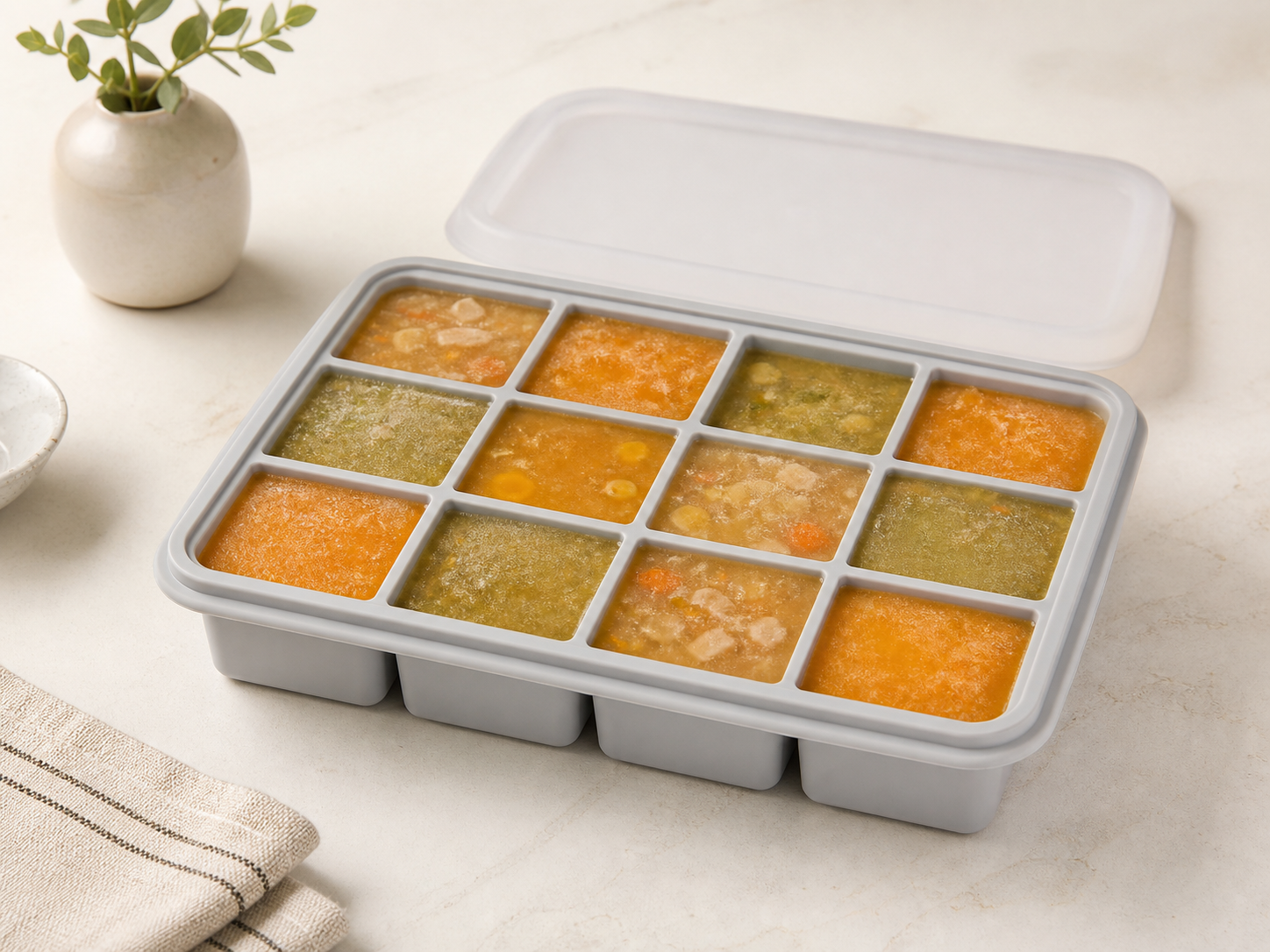
Souper Cubes 1 Cup Silicone Freezer Tray
Public-data read: a differentiated kitchen product may be paying for broad freezer-tray clicks without always proving why it deserves a premium over cheaper alternatives. In plain terms: some shoppers may click because it looks like a freezer tray, then leave when they compare price.
Pattern Definition
Premium positioning means the product costs more because it has better design, materials, or use-case value. The listing and ads need to explain that value quickly, before shoppers compare it with cheaper lookalikes.
Likely Profit Leaks
Broad generic traffic may not understand the premium
Generic "silicone freezer tray" searches can include shoppers who mostly compare price and visual similarity. More specific searches around soup, stock, portions, and meal prep may bring buyers who already understand the value.
The listing may need to defend against lookalikes faster
Public category content shows lower-priced alternatives. The first screen of the listing should make the lid fit, stackability, portion sizes, and material quality obvious before shoppers compare price.
Variation strategy could fragment learning
Different tray sizes serve different jobs. Ads should send soup, baby-food, meal-prep, and bulk-storage shoppers to the size that best matches what they are trying to do.
Prediction
If use-case traffic is separated from broad generic traffic, conversion should improve on the cleaner segments. ACOS, which means ad cost as a share of sales, should improve too. Sales may dip briefly if wasteful discovery is reduced.
Known Unknowns
- Which terms actually drive spend and sales?
- Which tray size has the best margin and conversion?
- Are generic terms profitable after true economics?