Buyer Education Sample
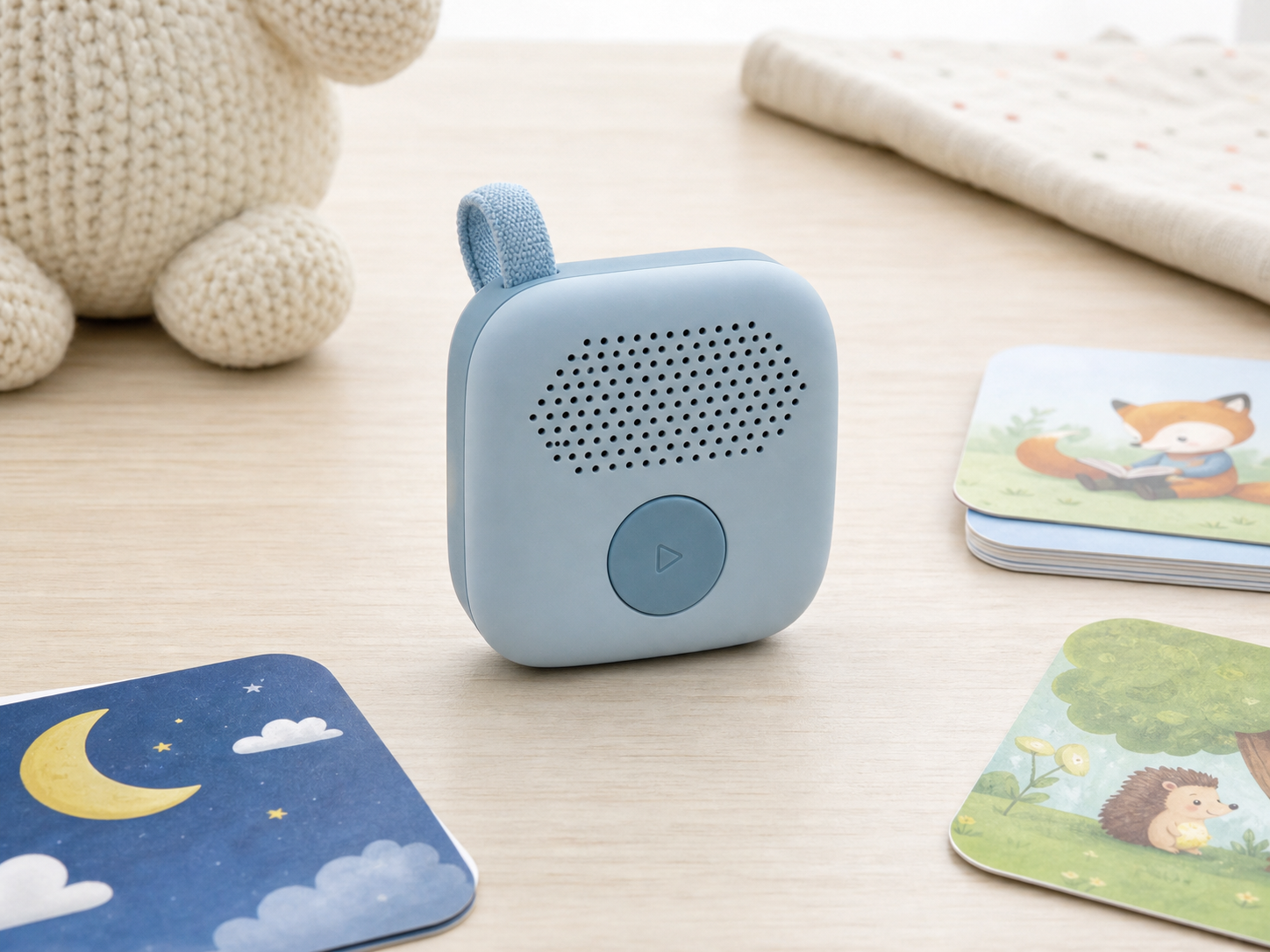
Yoto Mini Kids Audio Player
Public-data read: this is a parent education decision, not a simple gadget purchase. Search intent needs to be split by use case before scaling. In plain terms: parents may all search for a kids audio player, but they are not all trying to solve the same problem.
Pattern Definition
Buyer education means shoppers need a little help before they are ready to buy. They may need to understand the use case, the age fit, what is included, or how the product works day to day.
Likely Profit Leaks
Search intent may be too broad for one message
Travel, bedtime, toddler, older-child, and screen-free entertainment shoppers need different proof. One general "kids audio player" message can waste clicks because each parent is judging a different promise.
The Toniebox comparison needs its own strategy
Comparison traffic can be valuable, but only if the listing explains the differences clearly. A parent comparing two systems needs a simple answer to "which one fits my child better?"
Ecosystem costs could create hesitation
Parents may hesitate if they do not understand the cards, make-your-own content, and what their child can do with the player in the first week.
Prediction
Intent-matched campaigns should improve CTR, which is the share of people who click after seeing the ad, and conversion, which is the share of clickers who buy. Competitor terms may be unpredictable until enough order data accumulates.
Known Unknowns
- Which use-case cluster drives profitable orders?
- Does the business optimize for first purchase profit or lifetime card value?
- Are competitor terms profitable or mostly educational?